

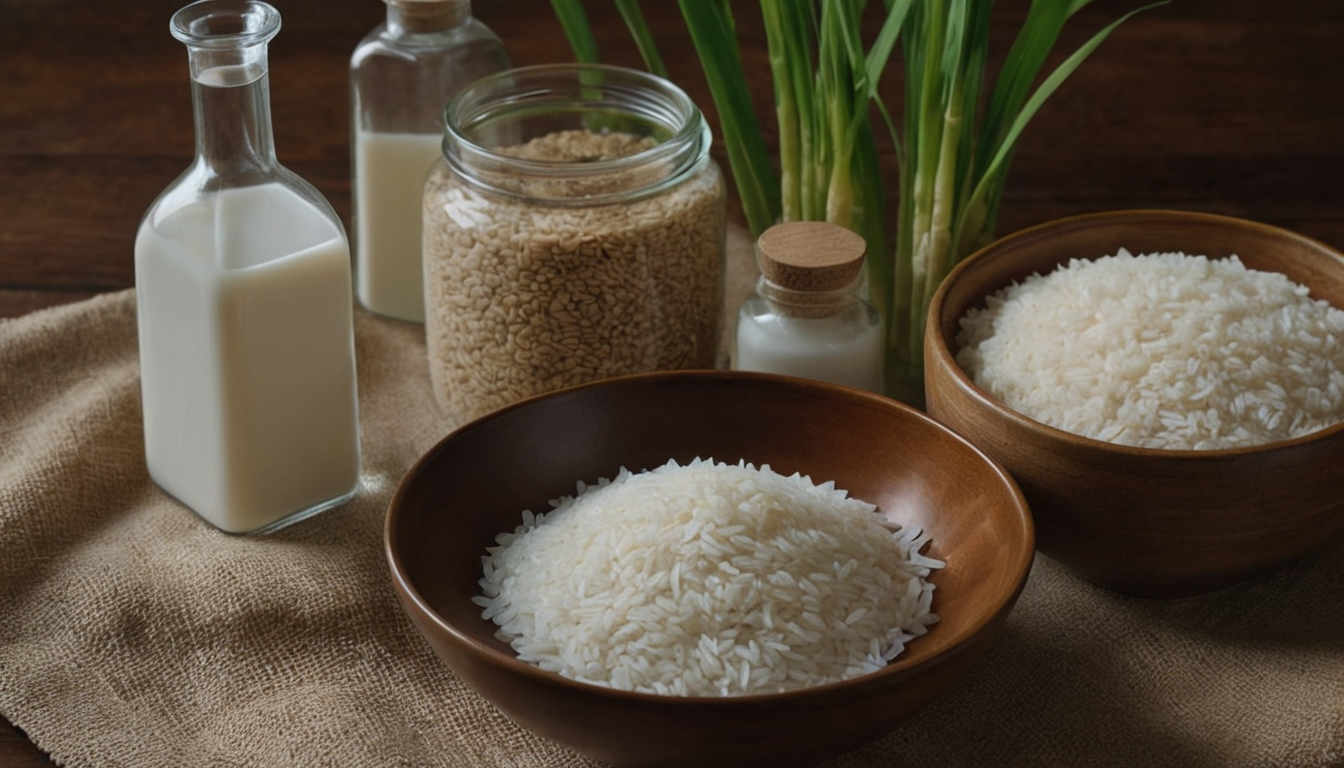
Rice Water Rinse: The Ancient Beauty Secret Having a Moment
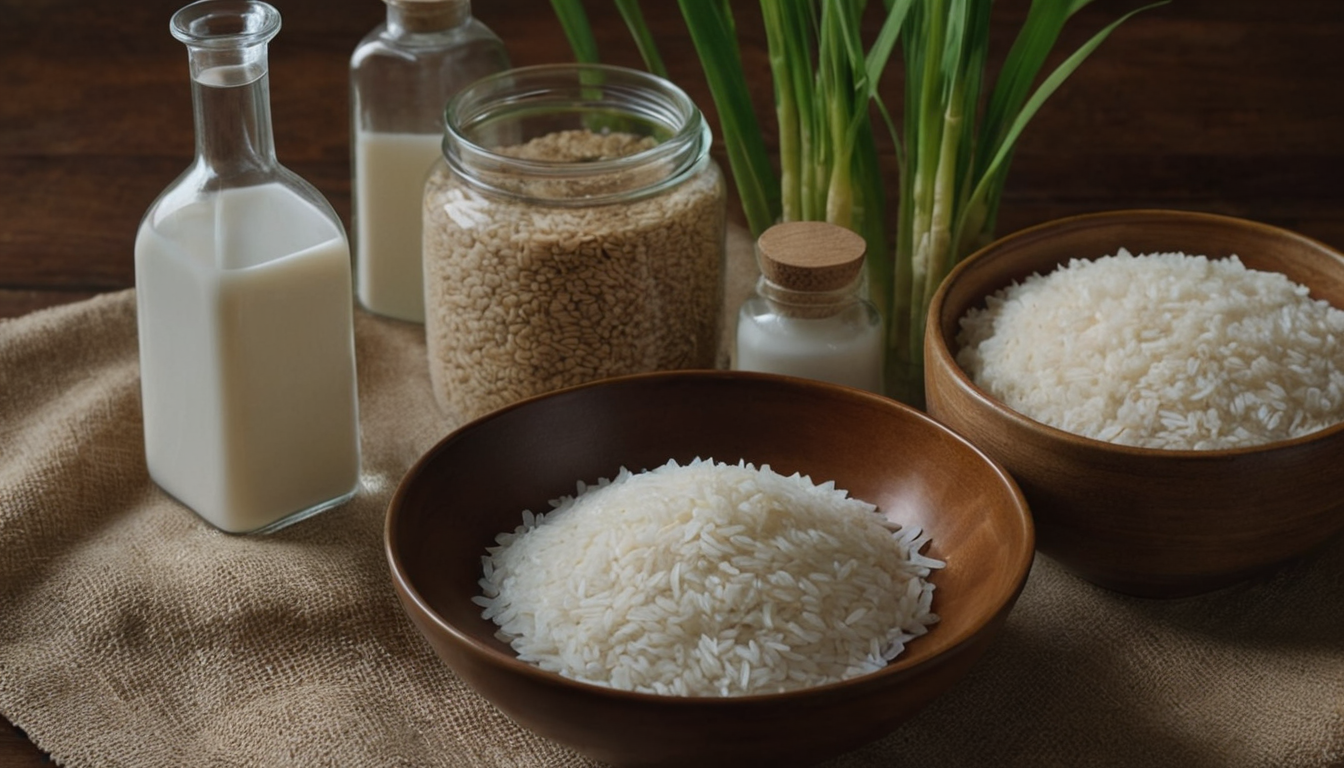
Sometimes the most effective beauty treatments are the ones that have been around the longest. Rice water, the starchy liquid left over after soaking or cooking rice, has been used for centuries by women in Asia to strengthen, smooth, and grow their hair. In 2023, this ancient practice went viral on social media, with millions of people sharing their experiences and results. At Sofia Loren Salon in Boca Raton, we have had numerous clients ask about rice water rinses, so we are breaking down what the science says, how to do it properly, and what you can realistically expect.
The History Behind Rice Water for Hair
The use of rice water for hair is not a trend. It is a tradition with centuries of documented practice. The Yao women of the Huangluo village in China, known for having hair that averages over six feet in length and retains its color well into old age, have long attributed their remarkable hair to regular rice water bathing. Historical accounts from Japan’s Heian period describe court women growing their floor-length hair with the help of rice water treatments.
These traditions persisted because they worked. Before synthetic products existed, rice water was one of the most accessible and effective hair treatments available. The fact that modern science is now confirming what these women knew intuitively for generations adds credibility to the practice.
What Rice Water Contains
Rice water is surprisingly rich in nutrients that benefit hair. When rice is soaked or cooked, it releases compounds into the water that can strengthen and improve the condition of hair strands.
Inositol is the star ingredient. This carbohydrate has been shown in studies to penetrate damaged hair and repair it from the inside out. Unlike many treatments that coat the outside of the strand, inositol actually enters the hair shaft and stays there even after rinsing, continuing to protect against damage. This is significant because most DIY treatments wash away completely.
Amino acids, the building blocks of protein, are also present in rice water. These help strengthen the hair shaft and repair damage caused by heat, chemicals, and environmental exposure. Vitamins B and E contribute to hair health by supporting cell growth and protecting against oxidative stress. Minerals like magnesium, selenium, and zinc support the scalp and follicle health.
The starch in rice water is what creates the smoothing and detangling effect that many users notice immediately. The starchy film that coats the hair temporarily reduces friction between strands, making hair easier to comb and less prone to tangling.
How to Make Rice Water at Home
There are three methods for preparing rice water, each producing a slightly different concentration and strength.
The soaking method is the simplest. Place half a cup of uncooked rice in a bowl with two to three cups of water. Let it sit for thirty minutes to an hour, stirring occasionally. Strain out the rice and the milky water that remains is your rice water. This produces the mildest concentration and is a good starting point for beginners.
The boiling method involves cooking rice with more water than usual and draining off the excess liquid. This produces a more concentrated rice water because heat releases more starch and nutrients from the grains. Allow the liquid to cool completely before applying to your hair.
The fermented method is considered the most potent. After soaking rice in water for thirty minutes, strain the rice and pour the water into a jar. Leave the jar at room temperature for twenty-four to forty-eight hours, allowing the water to ferment. You will notice the liquid developing a slightly sour smell, which indicates fermentation is occurring. Once fermented, refrigerate and dilute with an equal amount of fresh water before using. The fermentation process lowers the pH of the water and increases the concentration of nutrients, particularly inositol.
How to Use Rice Water on Your Hair
Rice water can be used as a rinse after shampooing, a pre-shampoo treatment, or a leave-in spray, depending on your hair’s needs and tolerance.
As a rinse, apply rice water to clean, freshly shampooed hair. Pour it over your hair, massage it into the scalp and through the lengths, and let it sit for five to twenty minutes. Rinse thoroughly with cool water and follow with your regular conditioner. Start with a shorter sitting time and increase gradually as you learn how your hair responds.
As a pre-shampoo treatment, apply rice water to dry hair before washing. This can be particularly effective for damaged hair because the inositol has more time to penetrate the dry strand. Let it sit for fifteen to thirty minutes, then shampoo, condition, and style as usual.
As a daily spray, dilute rice water with an equal amount of fresh water and pour it into a spray bottle. Mist lightly over hair between washes for a quick boost of nutrients and smoothing benefits. This method is the gentlest and can be used more frequently without risk of protein overload.
What Results to Expect
Let us set realistic expectations. Rice water is not a miracle cure that will transform your hair overnight. What it can do, with consistent use, is improve the overall strength, smoothness, and manageability of your hair over time.
After the first use, you will likely notice smoother, more detangled hair. The starch content provides immediate slip that makes combing easier. Your hair may feel slightly stiffer when dry, which is the protein effect. Some people interpret this as a positive sign of strengthening; others find it unappealing. If the stiffness bothers you, follow with a moisturizing conditioner.
After several weeks of consistent use, once or twice a week, many people report stronger hair that breaks less, faster growth, and improved shine. The inositol compound continues to accumulate in the hair with repeated use, providing ongoing structural support.
Important Cautions
Rice water is a protein treatment, and like all protein treatments, it can be overused. If your hair is already protein-rich or if you are using other protein-based products, adding rice water to the rotation can tip the balance toward protein overload. Signs of protein overload include stiff, brittle, straw-like hair that snaps easily. If you notice these symptoms, stop the rice water and focus on moisture-based treatments.
Fermented rice water is more concentrated and should be used less frequently than plain rice water. Start with once every two weeks for fermented versions and once a week for plain or boiled rice water. Monitor your hair’s response and adjust accordingly.
The protein content in rice water makes it more beneficial for fine, thin, or damaged hair that needs strengthening. Thick, coarse hair that is naturally protein-rich may not need the additional protein and could react poorly to regular rice water treatments.
For our clients in Boca Raton dealing with South Florida’s humidity, rice water’s protein effect can actually be helpful. Protein treatments help seal the cuticle, which reduces moisture absorption from the humid air and can help control frizz. However, the balance between protein and moisture remains important, so alternating rice water with moisturizing treatments is advisable.
Professional vs. DIY Treatments
At Sofia Loren Salon, we appreciate the DIY spirit behind rice water rinses, and we encourage clients to try them. However, we also want to be transparent: professional protein and conditioning treatments offer more controlled, consistent, and potent results. Products like Olaplex, K18, and professional keratin treatments deliver specific active ingredients at calibrated concentrations that DIY methods cannot replicate.
Rice water is best thought of as a supplement to your professional hair care, not a replacement. Use it between salon visits to maintain strength and smoothness, and rely on professional treatments for deeper repair and structural work.
Book Your Appointment at Sofia Loren Salon
Ready to explore protein treatments that strengthen and smooth your hair? Visit Sofia Loren Salon in Boca Raton for a professional assessment and treatment plan that incorporates the best of both professional and at-home care. Call us at (561) 444-0720 or book online at sofialorensalon.com.