
Microbiome-Friendly Hair Products: The Future of Hair Care
The skincare world has been talking about the microbiome for years. The idea that our skin is home to billions of beneficial bacteria that help maintain its health has revolutionized the way we think about facial care. Now, in 2025, that same science is finally being applied to hair care, and the implications are significant. Your scalp has its own microbiome, and the products you use can either support it or destroy it. Understanding this concept might change the way you think about washing your hair forever.
At Sofia Loren Salon in Boca Raton, we stay at the forefront of hair science so we can offer our clients the most effective, evidence-based recommendations. The microbiome conversation is one of the most exciting developments in hair care this year, and here is what you need to know.
What Is the Scalp Microbiome
Your scalp is home to a diverse community of microorganisms, including bacteria, fungi, and other microbes that collectively form the scalp microbiome. When this community is balanced, it performs several critical functions. It helps regulate sebum production, keeping your scalp from becoming too oily or too dry. It maintains the scalp’s slightly acidic pH, which protects against harmful pathogens. It supports the skin barrier that prevents moisture loss and irritation. And it contributes to the overall environment in which your hair follicles grow.
When the microbiome is disrupted, the consequences can be visible and frustrating. Dandruff, for instance, is closely linked to an overgrowth of a specific yeast called Malassezia, which thrives when the bacterial balance on the scalp is disturbed. Scalp sensitivity, itching, excess oiliness, and even some forms of hair thinning have been connected to microbiome imbalances.
How Traditional Products Disrupt the Microbiome
Many conventional hair care products are designed to clean aggressively, stripping away everything on the scalp surface, including the beneficial microorganisms that keep the ecosystem healthy. Sulfates, harsh preservatives, and antimicrobial agents do not discriminate between good and bad microbes. They remove everything, and when the good bacteria are wiped out, the bad ones often colonize the empty territory first because they tend to be more resilient and faster-growing.
Overwashing is one of the biggest culprits in microbiome disruption. Every time you shampoo, you reset the microbial community on your scalp. If you are washing daily with a strong cleanser, your microbiome never has the chance to stabilize. This can create a cycle where the scalp overproduces oil to compensate for the constant stripping, which leads to more washing, which leads to more disruption. It is a vicious cycle that many people are stuck in without realizing it.
Products with a very high or very low pH can also damage the microbiome by altering the scalp’s natural acid mantle. The healthy scalp maintains a pH of around 5.5, which is slightly acidic. This acidity is protective, as it supports beneficial bacteria and inhibits pathogenic ones. Products that shift the pH too far in either direction can destabilize this balance.
What Microbiome-Friendly Products Look Like
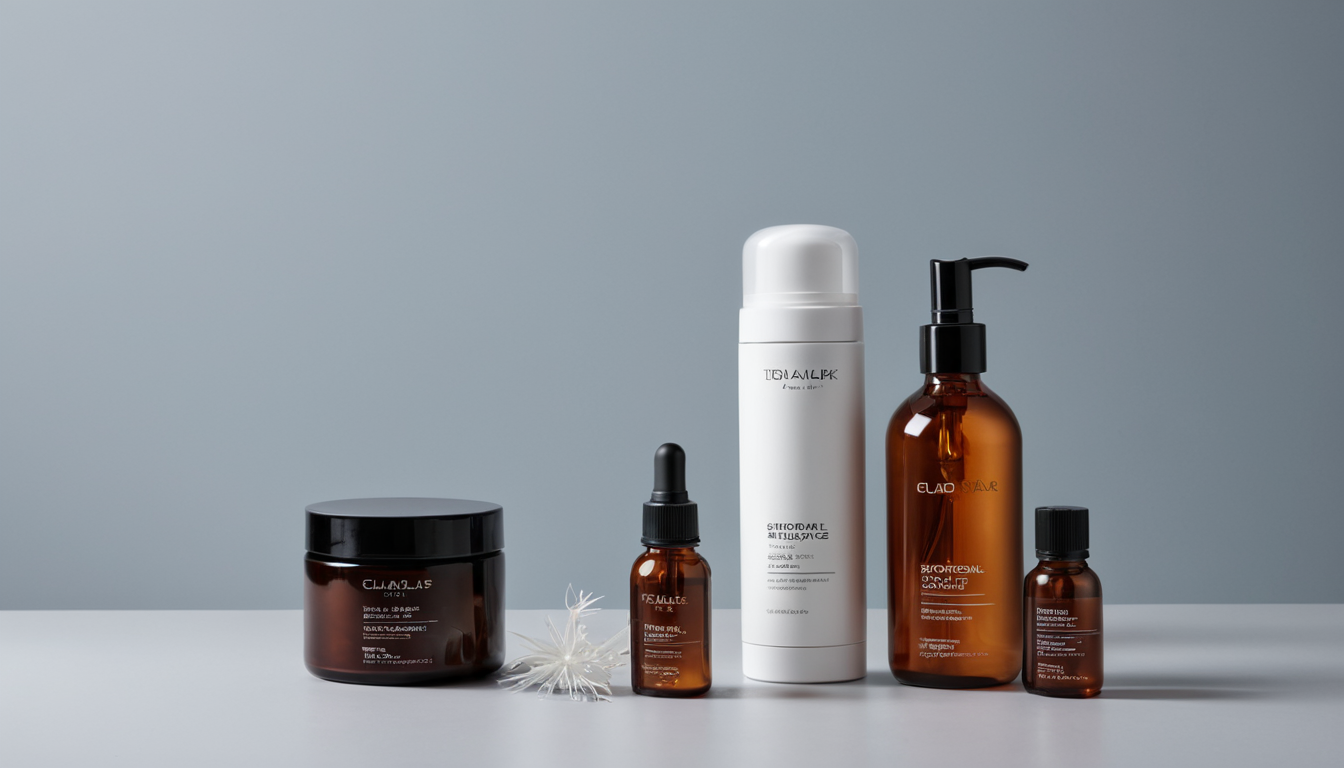
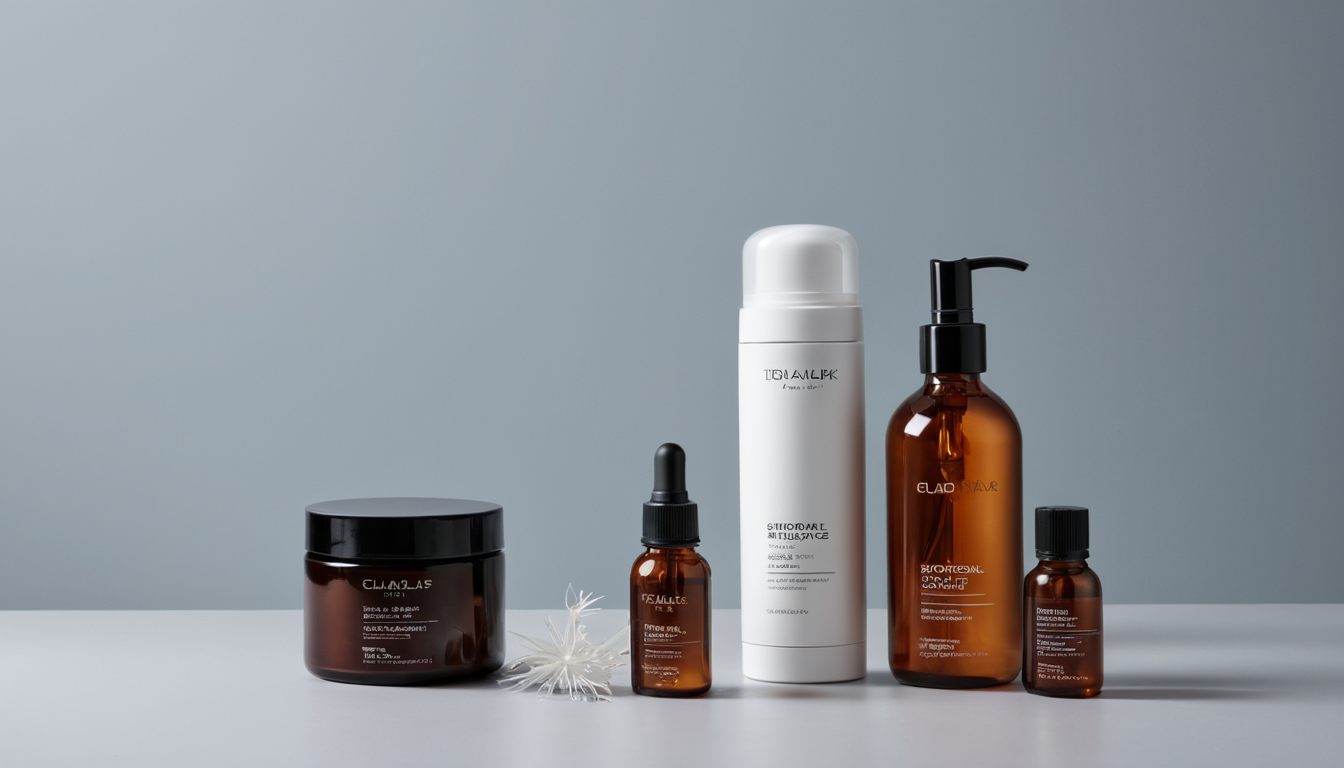
The new generation of microbiome-friendly hair products takes a different approach. Instead of stripping the scalp clean, these products are formulated to cleanse gently while preserving or actively supporting the beneficial microbial community. They use milder surfactants, maintain a scalp-friendly pH, and avoid ingredients that are known to be disruptive to microbial life.
Some products go further by incorporating prebiotics, which are ingredients that feed and encourage the growth of beneficial bacteria. Common prebiotic ingredients include inulin, fructooligosaccharides, and alpha-glucan oligosaccharide. These compounds provide a food source for the good bacteria on your scalp, helping them thrive and maintain their protective role.
Probiotic hair care is also emerging, though it is still in its early stages. These products contain either live beneficial bacteria or bacterial extracts called postbiotics that deliver the benefits of microbial activity without introducing live organisms. Postbiotic ingredients like lactobacillus ferment filtrate have shown promise in calming inflammation, reducing sensitivity, and supporting the scalp barrier.
Practical Changes You Can Make Today
You do not need to overhaul your entire routine to start supporting your scalp microbiome. A few simple changes can make a meaningful difference. First, consider reducing your wash frequency if you are currently washing daily. For many people, washing every other day or even every two to three days is sufficient, and the break gives the microbiome time to stabilize between washes.
Second, switch to a gentle, pH-balanced shampoo. Even if the product is not specifically marketed as microbiome-friendly, choosing a mild formulation that is free of sulfates and harsh preservatives is a step in the right direction. Many professional-grade shampoos available at our Boca Raton salon meet these criteria.
Third, treat your scalp as carefully as you treat your face. Just as you would not scrub your face with a harsh detergent every day, your scalp deserves the same consideration. When you do shampoo, massage gently with your fingertips rather than scrubbing vigorously. This is enough to cleanse without traumatizing the microbial community.
The Florida Factor
Living in South Florida adds unique considerations to scalp microbiome health. The warm, humid climate in Boca Raton creates an environment where microbes proliferate more quickly than in cooler, drier climates. This is not inherently bad, as a diverse, active microbiome can be healthy. But it does mean that disruptions can escalate more quickly, and imbalances can become more pronounced.
Sweat is another factor. Active lifestyles and hot weather mean more sweating, and sweat changes the scalp’s pH and salt concentration. While sweating itself is not harmful to the microbiome, leaving sweat on the scalp for extended periods can favor certain microbes over others. Rinsing with water between shampoos, without applying shampoo, can help remove sweat and restore the scalp’s natural state without disrupting the microbial community.
What the Science Says
Research into the scalp microbiome is still relatively young, but the findings so far are compelling. Studies have shown clear differences in the microbial composition of healthy scalps versus those with dandruff, seborrheic dermatitis, and other conditions. Interventions that restore microbial balance have shown promise in improving these conditions, sometimes more effectively than traditional treatments.
It is worth noting that the science is evolving, and some of the marketing around microbiome hair care has gotten ahead of the research. Not every product labeled probiotic or microbiome-friendly is backed by solid evidence. At Sofia Loren Salon, we are careful to recommend products and approaches that are supported by credible research rather than just marketing claims.
The Bigger Picture
Microbiome-friendly hair care is part of a broader shift toward working with our bodies rather than against them. Just as the air-dry movement encourages embracing natural texture, microbiome-conscious care encourages supporting the natural ecosystem of the scalp. It is a more sustainable, more effective, and more respectful approach to hair care that we believe will continue to gain momentum in the years ahead.
Book Your Appointment at Sofia Loren Salon
Ready to learn more about supporting your scalp health for better hair? Visit Sofia Loren Salon in Boca Raton for a scalp consultation and personalized product recommendations. Our team stays current with the latest hair science to give you the most effective, evidence-based care. Call us at (561) 444-0720 or book online at sofialorensalon.com.