

Chlorine, Salt, and Sun: Protecting Your Hair All Summer Long
Summer in Boca Raton is glorious. The beaches are stunning, the pools are refreshing, and the sunshine is endless. But every one of those pleasures comes with a cost to your hair. Chlorine, salt water, and UV radiation form a triple threat that can turn healthy, vibrant hair into a dry, brittle, discolored mess in a matter of weeks. At Sofia Loren Salon, we help our South Florida clients navigate summer hair damage every year, and the key is prevention. It is far easier to protect your hair from summer damage than to repair it after the fact.
What Chlorine Does to Your Hair
Chlorine is a powerful chemical disinfectant, and it does not discriminate between pool bacteria and your hair. When chlorine comes into contact with your hair, it strips away the natural oils that protect the cuticle. Without that protective layer, the cuticle dries out, lifts, and becomes rough. This leads to tangling, breakage, and a dull, straw-like texture that is immediately noticeable.
For color-treated hair, chlorine is especially destructive. It can strip away semi-permanent and demi-permanent color, fade permanent color, and in some cases, actually alter the tone of lightened hair. The green tint that blonde hair sometimes develops after swimming is caused by copper compounds in the pool water, which bind to the lightened, porous hair shaft. It is not actually the chlorine itself that causes the green, but the chlorine contributes by making the hair more porous and receptive to copper deposits.
Brunettes are not immune either. Chlorine can make dark hair look dull and faded, and over time, it can create a noticeable reddish or orangish cast that was not there before. If you have invested in a beautiful color at the salon, chlorine is one of your biggest enemies during the summer months.
What Salt Water Does to Your Hair
Salt water damage works differently from chlorine damage but can be equally harmful. Salt is hygroscopic, meaning it draws moisture out of whatever it contacts. When your hair is soaked in ocean water, the salt pulls moisture from inside the hair shaft, leaving it dehydrated. This dehydration causes the cuticle to contract and become rough, which leads to dryness, frizz, and increased vulnerability to mechanical damage from brushing and styling.
There is a common misconception that salt water is good for hair because of the popularity of sea salt sprays. While a light misting of sea salt spray can create attractive texture, prolonged soaking in actual ocean water is a very different experience. The concentration of salt is much higher, the exposure time is much longer, and the lack of conditioning ingredients means there is nothing protecting your hair from the dehydrating effects.
Salt water can also fade hair color, though generally more slowly than chlorine. The dehydration it causes makes the cuticle rougher and more porous, which allows color molecules to escape more easily during subsequent washes. Over the course of a summer spent at the beach, the cumulative effect on color can be significant.
What UV Radiation Does to Your Hair
We are all familiar with the damaging effects of UV radiation on our skin, but fewer people realize that the same rays damage hair. UV exposure breaks down the melanin in your hair, which is the natural pigment that gives it color. This is why hair naturally lightens in the sun. While a little sun-kissed lightening can be attractive, excessive UV exposure breaks down the protein bonds that give hair its strength, leading to dryness, brittleness, and increased breakage.
For color-treated hair, UV damage accelerates fading and can cause unwanted tonal shifts. Blonde highlights can turn brassy. Cool-toned brunettes can shift warm. Vibrant fashion colors can fade dramatically. The South Florida sun is intense, and even an hour of direct exposure can have a noticeable effect on color over time.
Prevention Strategies That Actually Work
The most effective protection strategy is the simplest one: wet your hair with fresh water before getting in the pool or ocean. Hair is like a sponge. When it is already saturated with clean water, it absorbs significantly less chlorinated or salt water. This single step reduces damage more than almost anything else you can do.
Apply a leave-in conditioner or hair oil before swimming for an additional layer of protection. The conditioner or oil creates a barrier on the surface of the hair that further prevents chlorine and salt from penetrating. Coconut oil is particularly effective because its molecular structure allows it to bind to the hair protein and resist being washed out by water.
After swimming, rinse your hair with fresh water as soon as possible. The longer chlorine or salt sits on your hair, the more damage it does. If you are at a pool or beach with a shower, use it. If not, keep a bottle of fresh water in your bag and pour it over your hair as a quick rinse. This is not a full wash. It is simply diluting and removing the harmful chemicals before they have time to do extensive damage.
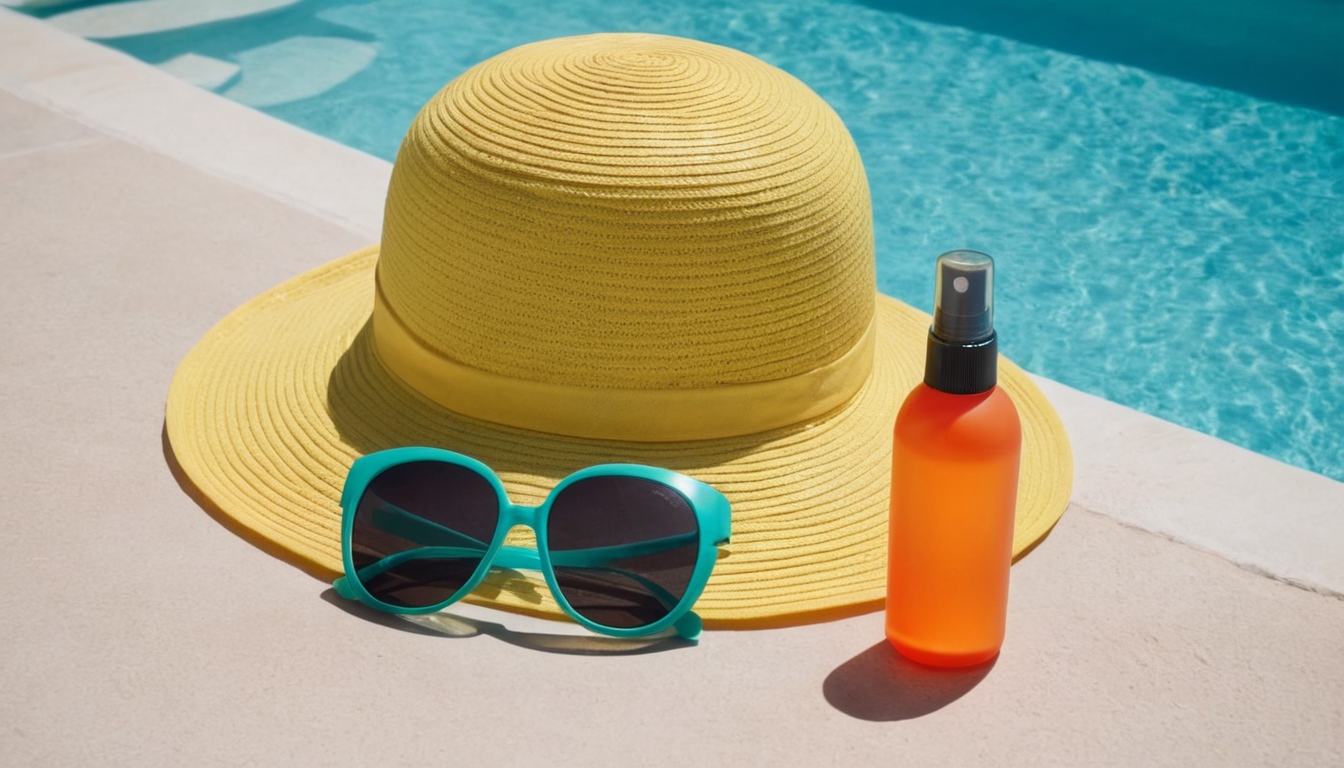
Wearing a hat or scarf when you are not in the water protects your hair from UV radiation. A wide-brimmed hat shades both your face and your hair, reducing UV exposure significantly. For women who prefer not to cover their hair, products with built-in UV filters offer some degree of protection, though they are not as effective as physical coverage.
Post-Swim Hair Care Routine
When you get home from the beach or pool, a proper wash and conditioning routine can minimize the damage from the day’s activities. Start with a clarifying or chelating shampoo. Clarifying shampoos remove product buildup and chlorine residue. Chelating shampoos go a step further by removing mineral deposits, including the copper that causes green tones in blonde hair.
Follow with a deep conditioning mask rather than your regular conditioner. Your hair needs extra moisture after being exposed to chlorine, salt, or sun, and a mask delivers a more concentrated dose of hydration and repair than a daily conditioner. Leave it on for at least five minutes, longer if your hair is particularly dry or damaged.
Once a week during the summer, consider doing a protein treatment or bond-building treatment to strengthen hair that has been weakened by environmental exposure. These treatments repair internal damage and help maintain the hair’s structural integrity throughout the season.
Color-Treated Hair Needs Extra Attention
If your hair is colored, the stakes are higher and the protection needs to be more diligent. In addition to all the prevention strategies mentioned above, use a color-safe shampoo and conditioner exclusively during the summer. Purple shampoo should be used regularly by blondes to counteract any brassiness from sun and chlorine exposure. Brunettes can benefit from a color-depositing conditioner that refreshes their shade between salon visits.
Consider scheduling a mid-summer gloss treatment at the salon. A professional gloss refreshes your color, adds intense shine, and seals the cuticle, creating a smoother surface that is more resistant to environmental damage. Think of it as a reset that undoes the wear and tear of the first half of summer and prepares your hair for the second half.
Book Your Appointment at Sofia Loren Salon
Ready to protect your hair this summer or repair damage that has already occurred? Visit Sofia Loren Salon in Boca Raton for professional treatments and personalized advice on keeping your hair healthy through the South Florida summer. Call us at (561) 444-0720 or book online at sofialorensalon.com.