
Co-Washing: Should You Ditch Your Shampoo?
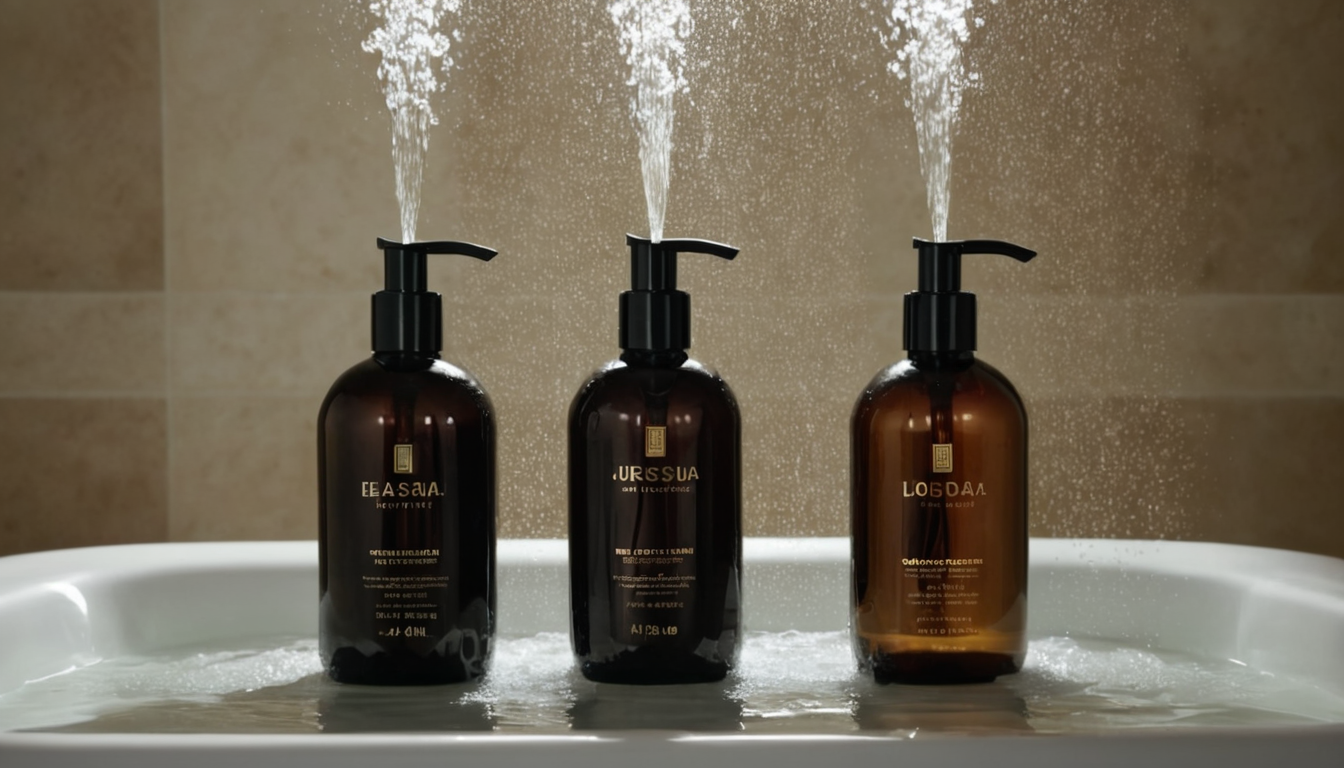
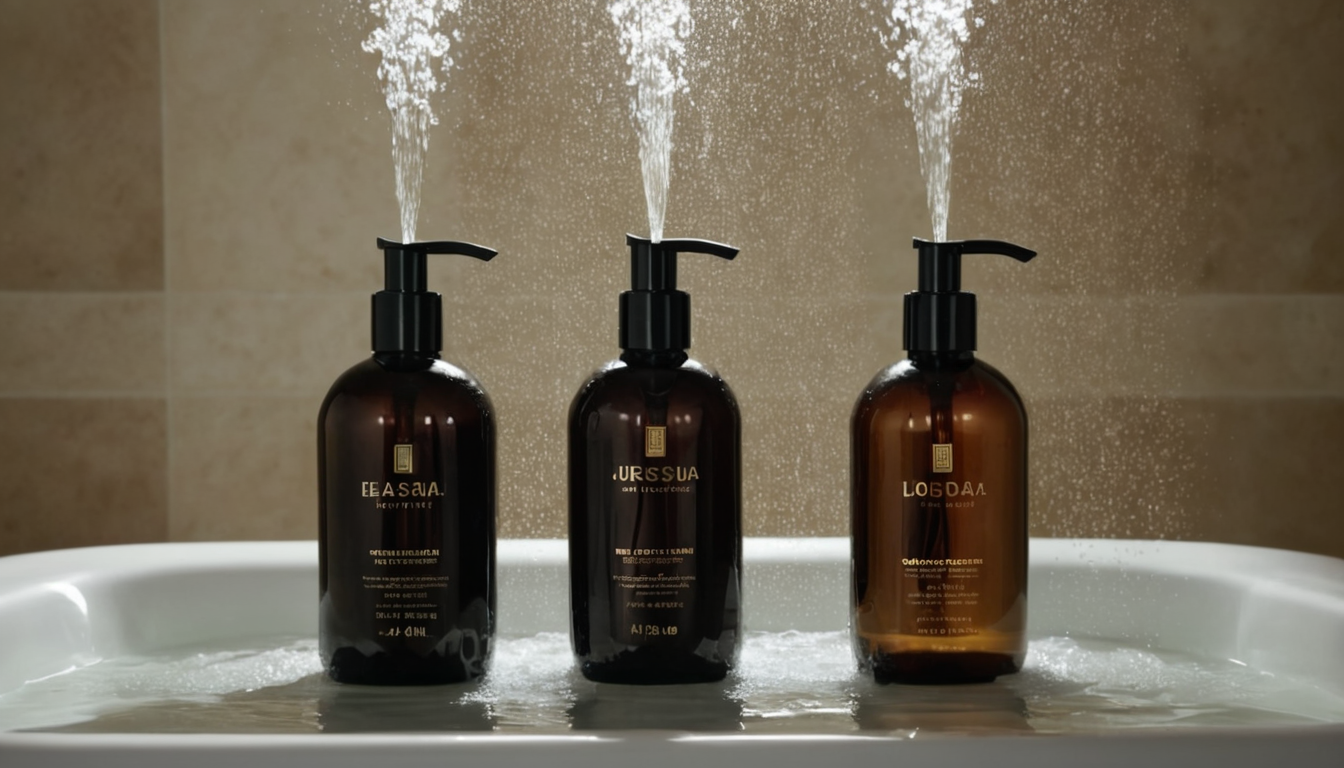
Walk into any beauty store and you will notice something new on the shelves: cleansing conditioners, co-wash products, and no-poo formulas that promise to clean your hair without traditional shampoo. The co-washing movement has been gaining momentum for the past few years, and in 2018, it has firmly entered the mainstream. But is it right for everyone? At Sofia Loren Salon in Boca Raton, our stylists help clients navigate this trend every day, and the answer is more nuanced than the marketing would have you believe.
What Is Co-Washing?
Co-washing, short for “conditioner washing,” is the practice of using a conditioner or a specially formulated cleansing conditioner to wash your hair instead of traditional shampoo. The idea is that regular shampoo contains sulfates and other detergents that strip away your hair’s natural oils along with dirt and product buildup. By replacing shampoo with a gentler conditioner-based cleanser, you clean your hair without leaving it dry, frizzy, or stripped.
The concept originated in the natural hair community, where women with curly, coily, and textured hair discovered that their hair thrived when they reduced or eliminated harsh shampoos. Curly hair tends to be drier than straight hair because the natural oils produced by the scalp have a harder time traveling down the twists and bends of a curl. Stripping those oils with sulfates only exacerbated the dryness, leading to frizz, breakage, and dull-looking curls.
As more women of all hair types began experimenting with co-washing, product companies took notice. Today there are dozens of co-wash products on the market, ranging from affordable drugstore options to high-end salon formulas. They are thicker than regular conditioners and contain very mild cleansing agents that lift away dirt and oil without the lathering action of traditional shampoo.
The Benefits of Co-Washing
For the right hair type, co-washing can produce remarkable results. The most immediate benefit is moisture retention. Without sulfates stripping your hair, the cuticle stays smoother and more hydrated. This translates to less frizz, more shine, and better-defined curl patterns for those with wavy or curly hair.
Color-treated hair also tends to benefit from co-washing. The gentler cleansing action causes less color fade, which means your salon color stays vibrant longer. This is particularly relevant for our clients at Sofia Loren Salon who invest in balayage, highlights, or fashion colors and want to protect that investment between appointments.
For women in South Florida, co-washing addresses a common complaint: hair that feels dry and straw-like despite our humid environment. The combination of sun exposure, salt water, chlorine, and air conditioning can leave hair parched. Co-washing helps maintain a healthier moisture balance even when your hair is dealing with these environmental stresses on a daily basis.
Who Should Try Co-Washing
Co-washing works best for people with naturally dry, curly, coily, or thick hair. These hair types produce less oil and benefit the most from retaining their natural moisture. If you find that your hair feels dry, brittle, or frizzy after washing with regular shampoo, co-washing is worth experimenting with.
Women with chemically treated hair, including those with relaxers, perms, or heavy color processing, may also find co-washing beneficial. These treatments alter the hair’s structure and make it more porous, which means it loses moisture more easily. A gentler cleansing method can help chemically treated hair stay stronger and more manageable.
If you wash your hair daily or every other day, co-washing can be a good alternative for those in-between wash days. Some women use traditional shampoo once a week and co-wash on the other days, which keeps hair clean without over-stripping it.
Who Should Stick With Shampoo
Co-washing is not for everyone, and that is perfectly fine. If you have fine, thin, or naturally oily hair, co-washing may leave your hair feeling heavy, limp, and greasy. Fine hair is easily weighed down by the heavier ingredients in co-wash products, and oily scalps need the stronger cleansing action that shampoo provides.
People who use a lot of styling products, especially those containing silicones, waxes, or heavy oils, may find that co-washing alone does not remove enough product buildup. Over time, this buildup can make hair look dull, feel sticky, and become difficult to style. If you use heavy styling products, you will likely need to use a clarifying shampoo at least occasionally to fully cleanse your hair and scalp.
Scalp conditions like dandruff, seborrheic dermatitis, or psoriasis typically require medicated shampoos that contain active ingredients like zinc pyrithione or salicylic acid. Co-washing cannot replace these specialized treatments. If you have a scalp condition, consult with your stylist or dermatologist before making changes to your cleansing routine.
How to Co-Wash Correctly
If you decide to try co-washing, technique matters. Simply slathering conditioner on your hair and rinsing it out will not give you the results you are looking for. Start by thoroughly wetting your hair with warm water. Apply a generous amount of co-wash product to your scalp and massage it in with your fingertips, using small circular motions. This mechanical action is what actually lifts dirt and oil from your scalp, since the product itself does not lather.
Spend at least two to three minutes massaging your scalp. This is longer than most people spend with regular shampoo, but it is necessary because co-wash products do not have the same instant cleaning power as sulfate-based formulas. Work the product through the lengths of your hair as well, detangling gently with your fingers or a wide-tooth comb.
Rinse thoroughly with cool or lukewarm water. Incomplete rinsing is one of the most common mistakes people make when co-washing. Any product left behind can make hair feel heavy and look greasy. If you feel like your hair is not quite clean enough after one pass, repeat the process.
The Hybrid Approach
At Sofia Loren Salon, we often recommend a hybrid approach rather than going fully shampoo-free. This means alternating between co-washing and traditional shampooing based on what your hair needs on any given day. You might co-wash two or three times and then use a gentle sulfate-free shampoo on the fourth wash. Once a month, a clarifying shampoo removes any accumulated buildup and gives you a fresh start.
This flexible approach gives you the moisture benefits of co-washing without the potential downsides of never using shampoo. It is also easier to maintain because you do not have to commit to an all-or-nothing approach.
Book Your Appointment at Sofia Loren Salon
Ready to find the perfect cleansing routine for your hair type? Visit Sofia Loren Salon in Boca Raton for a personalized consultation. Our stylists will assess your hair’s needs and recommend the best products and techniques for your lifestyle. Call us at (561) 444-0720 or book online at sofialorensalon.com.