
Reverse Balayage: Dark Ends, Light Roots, Maximum Drama
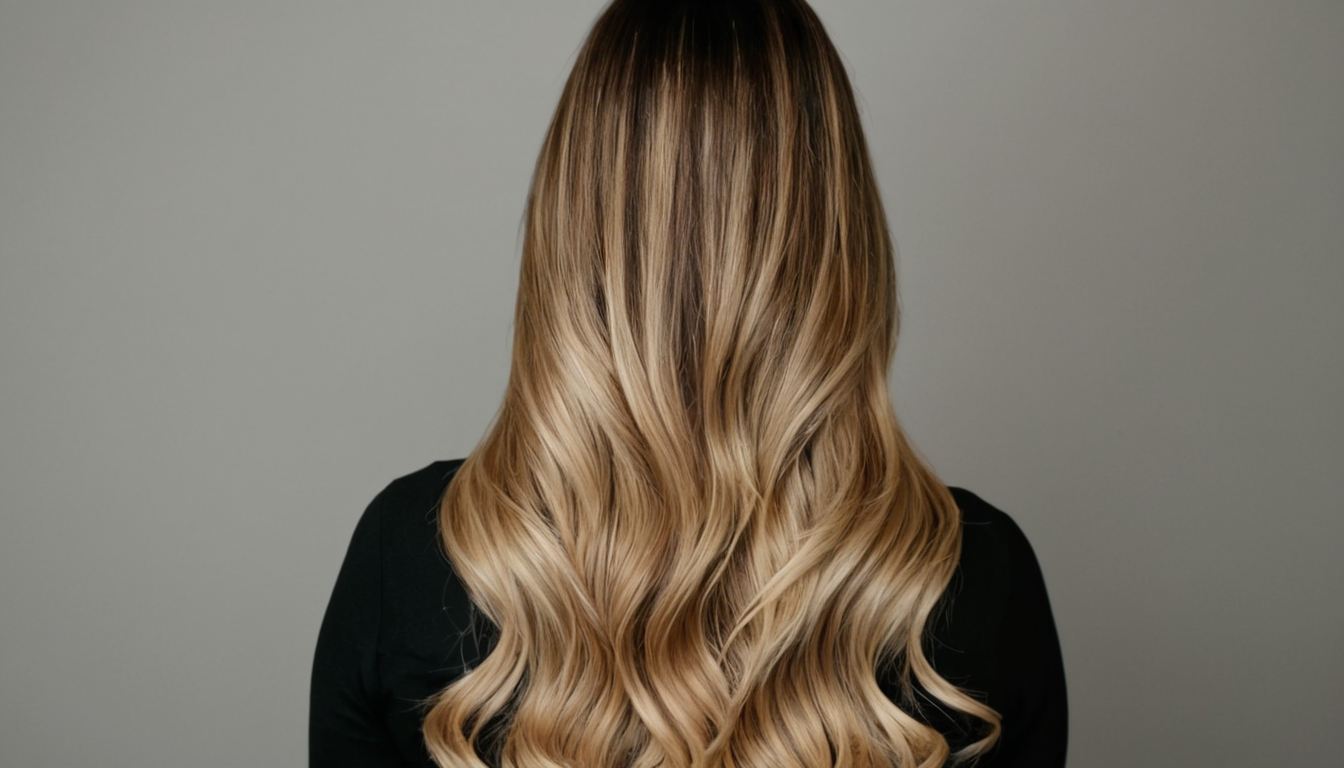
Traditional balayage has been a salon staple for years, giving clients that coveted sun-kissed look with lighter ends that blend seamlessly from darker roots. In 2022, the hair world flipped the script with reverse balayage, a bold technique that places darker color at the ends and keeps the roots lighter. The result is striking, unexpected, and full of dimension. At Sofia Loren Salon in Boca Raton, we have been creating stunning reverse balayage looks for clients who want something that stands apart from the crowd.
What Is Reverse Balayage?
Reverse balayage takes the hand-painting technique of traditional balayage and inverts the color placement. Instead of painting lighter tones onto the mid-lengths and ends, your colorist applies deeper, richer tones to these areas while leaving the roots and crown in a lighter shade. The hand-painted application ensures the transition between light and dark is gradual and natural-looking, avoiding any harsh lines.
The technique can be applied in many variations. Some clients opt for a subtle approach where the ends are only a shade or two darker than the roots, creating a soft, reversed gradient. Others go dramatic with a significant contrast, like platinum roots transitioning into deep chocolate or espresso ends. The versatility of the technique means it can be adapted to virtually any color palette and comfort level.
Why Reverse Balayage Gained Popularity
Several factors contributed to the rise of reverse balayage in 2022. First, the hair color world was due for a shift. After years of ombre, balayage, and baby lights dominating salons, clients and colorists alike were looking for something fresh. Reverse balayage offered a new direction without requiring clients to abandon the hand-painted techniques they already loved.
Second, the trend aligned with the broader movement toward embracing darker, richer hair colors. Trends like expensive brunette and rich chocolate tones were already gaining ground. Reverse balayage allowed blonde and light-haired clients to incorporate these deeper shades without committing to an all-over color change.
Third, there was a practical appeal. For clients who had been lightening their hair for years and were tired of the maintenance, reverse balayage offered a transition strategy. Rather than going dark all at once, which can feel shocking and sometimes unflattering, adding darker tones gradually through the ends allowed for a controlled, beautiful shift.
Who Does Reverse Balayage Work Best For?
Reverse balayage is particularly stunning on clients who currently have lighter hair, whether natural or color-treated. If you are blonde, light brown, or have heavily highlighted hair, adding those deeper tones at the ends creates immediate drama and dimension.
It is also an excellent option for clients growing out color. If your roots are naturally darker and your ends are still holding onto lighter color from previous bleaching sessions, reverse balayage works with what you already have. Your colorist deepens and enriches the existing light ends, and the natural darker roots suddenly become an intentional design element rather than a sign that you are overdue for an appointment.
Face shape does not limit reverse balayage the way some cuts do, but the placement can be customized to flatter your features. Keeping lighter tones around the face while concentrating the darker color behind and below creates a brightening effect that makes skin look luminous. This is especially popular among our Boca Raton clients who want the drama of reverse balayage without losing the face-framing lightness that complements their sun-kissed skin.
The Color Process
Creating a reverse balayage at Sofia Loren Salon begins with a detailed consultation. Your colorist needs to understand your current color, natural level, hair history, and desired outcome before formulating a plan. The technique is more nuanced than it might seem because applying darker color to previously lightened hair requires careful consideration of the undertones that will emerge.
The application itself mirrors traditional balayage in technique but inverts the placement. Your colorist hand-paints a deeper color onto the mid-lengths and ends, gradually increasing the saturation toward the tips. The paint is feathered into the lighter root area so there is no visible line of demarcation. Processing time varies based on the desired depth and the starting condition of the hair.
After processing, a toner or glaze is often applied to the entire head to ensure cohesion between the lighter and darker tones. This step is crucial for making the reverse balayage look intentional and polished rather than like two different colors that happen to share a head.
Choosing Your Colors
The color combinations for reverse balayage are nearly limitless. Here are some of the most popular pairings we see at our salon.
Platinum to espresso is the boldest option, creating a high-contrast look that turns heads. This pairing works best on confident clients who enjoy making a statement and do not mind the attention their hair will attract.
Golden blonde to warm chocolate creates a cozy, autumnal vibe that looks gorgeous against tan South Florida skin. The warmth in both shades keeps the overall look cohesive and approachable.
Ash blonde to cool brunette offers a sophisticated, editorial feel. The absence of warm tones gives this combination a modern, almost futuristic quality that appeals to clients who prefer cool-toned color palettes.
Strawberry blonde to auburn deepens without straying too far from the red family, creating a rich, multidimensional copper-to-wine effect that is especially striking in natural light.
Maintenance and Longevity
One of the significant advantages of reverse balayage is its maintenance schedule. Because your natural roots are integrated into the lighter portion of the design, root growth is virtually invisible for weeks or even months. The darker ends also fade gracefully, gradually softening and revealing warmer undertones that can look beautiful as a lived-in variation before your next appointment.
Most reverse balayage clients visit the salon every twelve to sixteen weeks for a refresh, which is significantly less frequent than traditional blonde balayage maintenance. During these appointments, your colorist can deepen the ends, refresh the toner, and adjust the gradient to maintain the look.
At home, color-safe shampoo and conditioner are essential. The darker tones deposited on your ends are more likely to wash out with sulfate-based products. A weekly color-depositing conditioner in a shade that matches your ends can help extend the vibrancy between appointments.
Reverse Balayage in South Florida’s Sun
Sun exposure can gradually lighten the darker ends of a reverse balayage, which actually works in your favor to a point. A gentle lightening of the ends from South Florida sun can create an even more natural-looking gradient over time. However, if you want to maintain the full depth of your darker tones, UV-protective hair products are important, especially during peak summer months in Boca Raton.
Book Your Appointment at Sofia Loren Salon
Ready to flip the script on traditional balayage? Visit Sofia Loren Salon in Boca Raton for a reverse balayage consultation with one of our expert colorists who will create a customized color plan just for you. Call us at (561) 444-0720 or book online at sofialorensalon.com.