
Hair Porosity Explained: Why It Changes Everything About Your Routine
You have probably spent a small fortune trying different shampoos, conditioners, and styling products, only to find that what works brilliantly for your friend does absolutely nothing for you. The answer to this frustrating mystery often comes down to one word: porosity. At Sofia Loren Salon in Boca Raton, we educate every client about their hair’s porosity because understanding this one characteristic can completely transform the way you care for your hair.
What Is Hair Porosity?
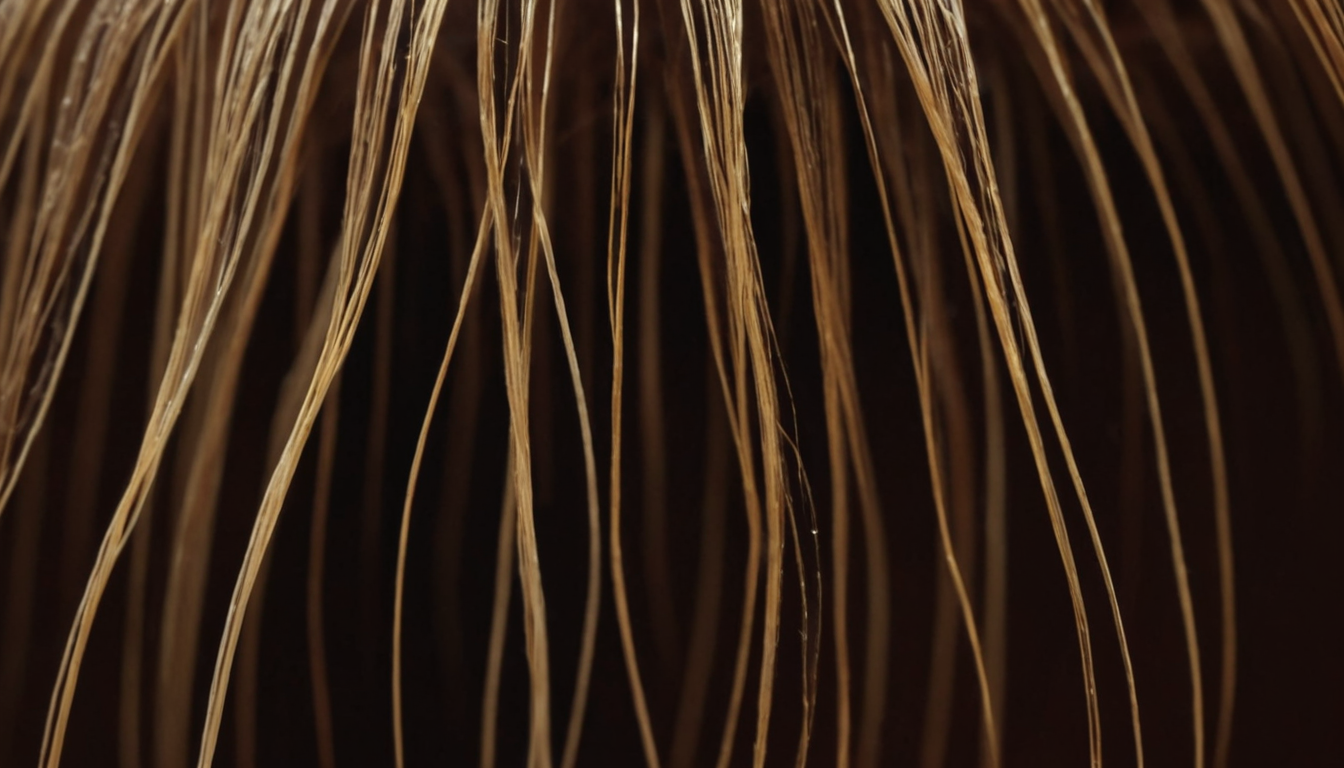
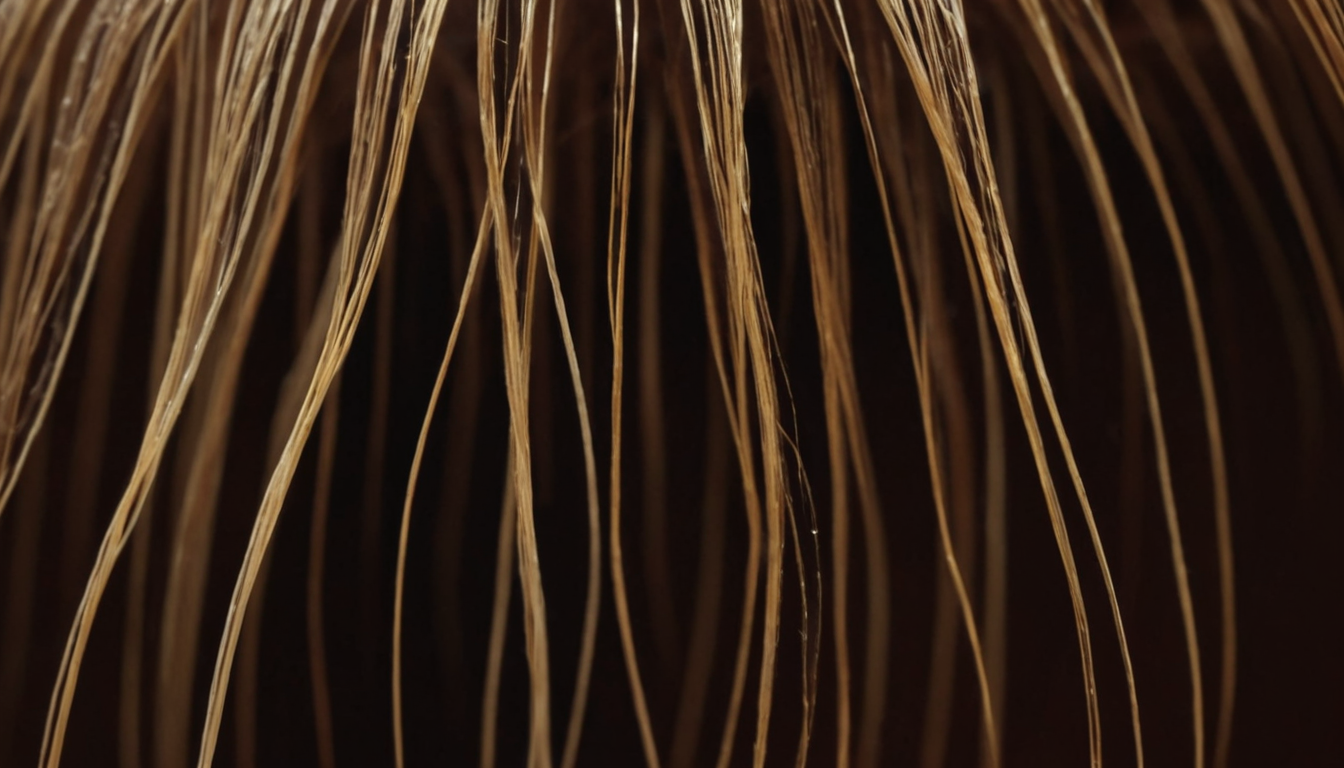
Hair porosity refers to your hair’s ability to absorb and retain moisture. Every strand of hair has an outer layer called the cuticle, which is made up of tiny overlapping scales, similar to shingles on a roof. The arrangement of these scales determines how easily moisture and products can enter and exit the hair shaft.
When the cuticle scales lie flat and tight, moisture has a harder time getting in but is also locked in once it does. When the scales are raised or have gaps, moisture rushes in quickly but escapes just as fast. Your porosity level falls into one of three categories: low, medium, or high. Each type requires a fundamentally different approach to hair care.
How to Test Your Hair Porosity at Home
There are several simple ways to determine your porosity level. The most popular is the water glass test. Take a clean strand of hair that has been shed naturally and drop it into a glass of room temperature water. Watch it for two to four minutes.
If the strand floats on the surface and barely sinks, you likely have low porosity hair. If it slowly sinks to the middle of the glass, you probably have medium porosity. If it sinks quickly to the bottom, you have high porosity hair.
Another method is the spray bottle test. Mist a small section of dry, clean hair with water and observe what happens. Low porosity hair will have water beads sitting on top of the strands. Medium porosity hair will absorb the water within a minute or two. High porosity hair will absorb the water almost instantly.
You can also assess porosity by feel. Run your fingers up a strand of hair from end to root. If it feels smooth with little resistance, the cuticle is flat, indicating low porosity. If you feel some texture or bumps, the cuticle is more open, suggesting higher porosity.
Low Porosity Hair: The Resistant Type
Low porosity hair has a tightly closed cuticle layer. Products tend to sit on top of the hair rather than absorbing, which can lead to buildup and a weighed-down feeling. Many people with low porosity hair complain that their hair takes forever to get fully wet in the shower and even longer to dry afterward.
The key to caring for low porosity hair is helping the cuticle open enough to accept moisture. Heat is your best friend here. Deep conditioning treatments applied with a warm towel or hooded dryer work significantly better than room temperature application. The warmth gently opens the cuticle and allows the conditioning ingredients to penetrate.
Choose lightweight, liquid-based products over heavy creams and butters. Low porosity hair does well with leave-in conditioners and light oils like argan or grapeseed that do not create buildup. Avoid heavy silicones and thick styling creams, as these will coat the strand without penetrating.
Clarifying shampoo used once or twice a month helps remove product buildup that low porosity hair is prone to. This keeps the hair receptive to the products you are using.
Medium Porosity Hair: The Balanced Type
If you have medium porosity hair, congratulations. Your cuticle is in a healthy balance, allowing moisture in at a reasonable rate and retaining it well. This porosity type is the most versatile and tends to respond well to a wide variety of products and treatments.
Medium porosity hair holds color well, styles easily, and maintains moisture without excessive effort. Your focus should be on maintaining this balance. Regular conditioning, occasional protein treatments, and consistent heat protection will keep medium porosity hair in great shape.
Be careful not to over-process medium porosity hair, as chemical treatments and excessive heat can shift it toward high porosity over time. If you color your hair or use hot tools regularly, incorporate bond-building treatments into your routine to maintain your hair’s structural integrity.
High Porosity Hair: The Thirsty Type
High porosity hair has gaps and holes in the cuticle layer, which means moisture enters quickly but leaves just as fast. This type of hair often feels dry despite frequent conditioning, tends to frizz in humidity, and can be prone to tangles and breakage. Living in South Florida’s humid climate, high porosity hair faces constant challenges as it absorbs atmospheric moisture and swells throughout the day.
The strategy for high porosity hair is to seal the cuticle after moisturizing. Use rich, creamy conditioners and follow up with heavier oils like castor or coconut oil to lock moisture in. The LOC method, which stands for liquid, oil, cream, works exceptionally well for high porosity hair. Apply a water-based product first, seal with oil, then lock everything in with a cream or butter.
Protein treatments are particularly important for high porosity hair because the gaps in the cuticle are often caused by protein loss. Regular protein treatments help fill in those gaps temporarily, making the hair stronger and better at retaining moisture. However, be careful not to overdo protein, as too much can make hair brittle.
When rinsing, use cool water to help close the cuticle and seal in the moisture and products you have applied. Apple cider vinegar rinses can also help flatten the cuticle and add shine.
How Porosity Affects Color and Chemical Treatments
Understanding your porosity is critical when it comes to salon services. Low porosity hair can be resistant to color, requiring longer processing times or adjusted formulations to achieve the desired result. High porosity hair grabs color quickly but can also fade faster and may process unevenly if not handled by an experienced colorist.
At Sofia Loren Salon, our colorists assess your hair’s porosity as part of every color consultation. This allows us to adjust our formulas and techniques to ensure even, long-lasting results regardless of your porosity level. It is one of the reasons professional color consistently outperforms at-home attempts.
Can You Change Your Porosity?
Your natural porosity is largely determined by genetics, but external factors can shift it. Chemical processing, heat damage, sun exposure, and environmental stress can all raise the cuticle and increase porosity over time. This is why hair that has been heavily processed often behaves like high porosity hair even if it was naturally low porosity.
While you cannot permanently change your genetic porosity, you can manage it effectively with the right products, treatments, and professional guidance. Regular salon treatments, proper home care, and minimizing damage will keep your hair performing at its best.
Book Your Appointment at Sofia Loren Salon
Ready to discover your hair’s porosity and build a routine that actually works? Visit Sofia Loren Salon in Boca Raton for a personalized hair consultation. Our stylists will assess your hair’s unique characteristics and recommend the perfect products and treatments for your porosity type. Call us at (561) 444-0720 or book online at sofialorensalon.com.