

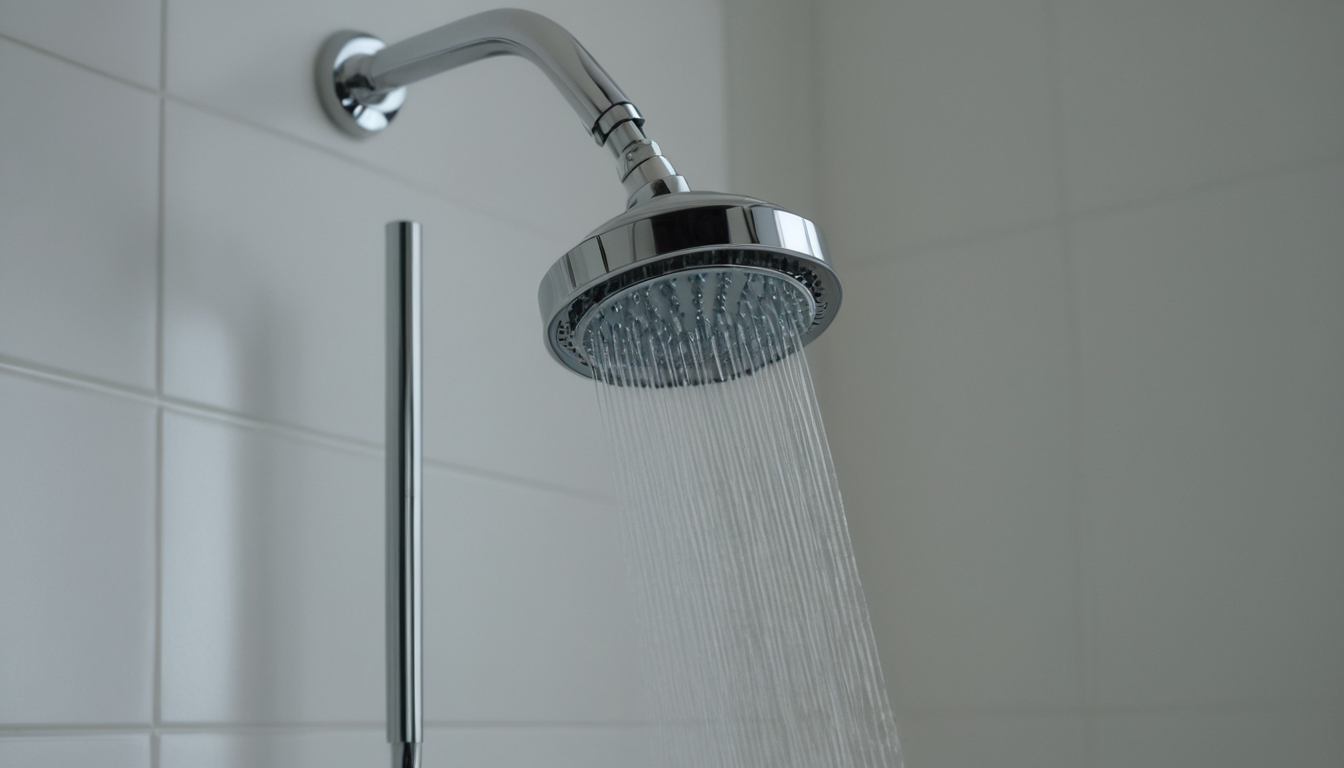
Hard Water Filters for Your Shower: A Game Changer for Florida Hair
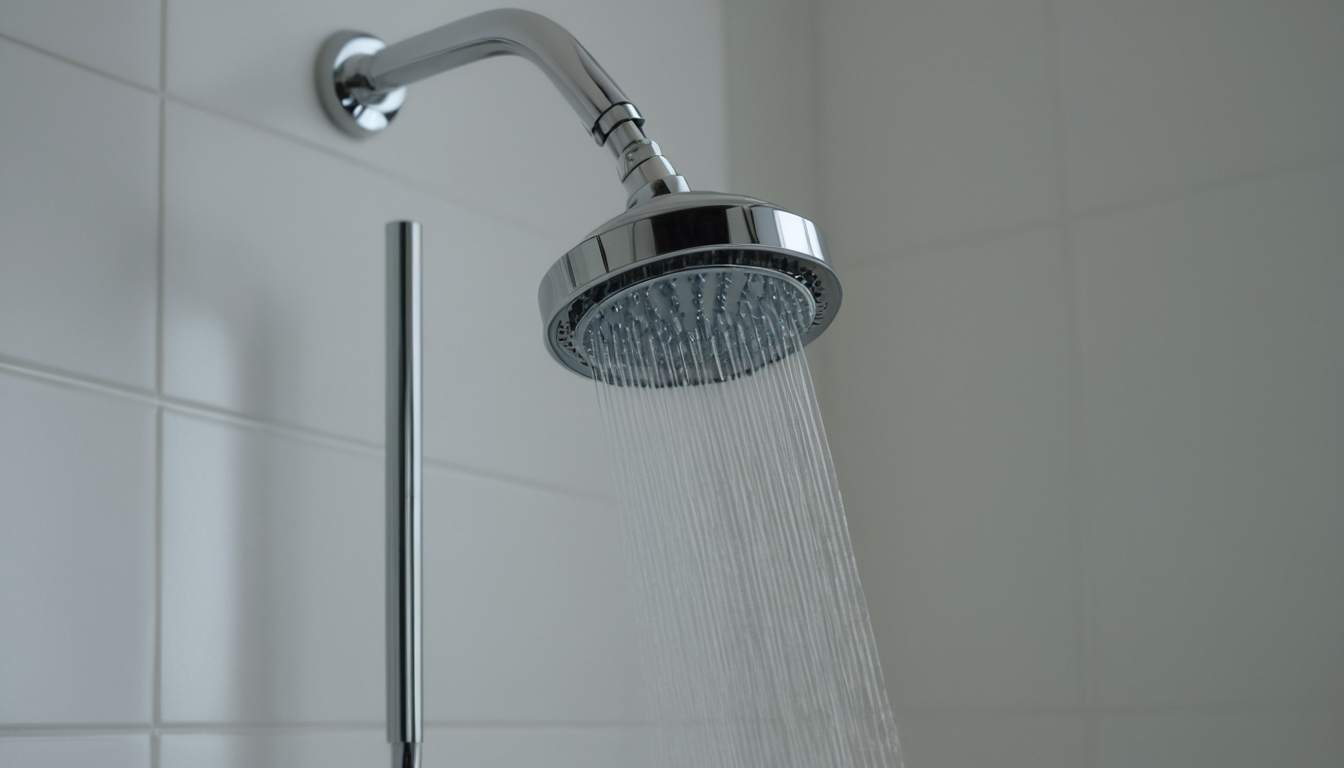
If you have ever wondered why your hair feels different in South Florida than it did when you lived up north, or why your color seems to fade faster than your stylist says it should, there is a strong chance your water is part of the problem. Florida has some of the hardest water in the United States, and the mineral content in that water can wreak havoc on your hair in ways you might not expect. The solution is simpler and more affordable than you think: a shower filter.
At Sofia Loren Salon in Boca Raton, we have been recommending shower filters to our clients for years. It is one of those small changes that can produce surprisingly dramatic results, and in 2024, as the products have gotten better and more accessible, there is really no reason not to make the switch.
What Hard Water Does to Your Hair
Hard water contains high concentrations of dissolved minerals, primarily calcium and magnesium, along with trace amounts of iron, copper, and other metals. When you wash your hair with hard water, these minerals deposit onto the hair shaft and build up over time. This mineral buildup creates a coating on the hair that blocks moisture from penetrating, weighs down fine hair, and creates a dull, lifeless appearance.
For color-treated hair, the effects are even more pronounced. Mineral deposits can cause color to oxidize and shift, often resulting in brassiness in blondes and muddiness in brunettes. The minerals also interfere with the chemical bonds that hold color in the hair shaft, causing it to fade faster than it would with softer water. If you have ever left your salon with a perfect color only to see it change within a few washes, hard water is a likely culprit.
The calcium in hard water can also react with the surfactants in your shampoo, reducing its ability to lather and clean effectively. This means you end up using more product, washing more aggressively, and stripping your hair of its natural oils in the process. It is a cycle that leads to drier, more damaged hair over time.
How Bad Is Florida Water
Water hardness is measured in grains per gallon, and water is considered hard at anything above 7 grains per gallon. The average hardness in the Boca Raton area ranges from 15 to 25 grains per gallon, which puts it firmly in the very hard category. Some areas of Palm Beach County test even higher, depending on the water source and the age of the local infrastructure.
This means that if you live in Boca Raton and you do not have a water softening system or a shower filter, every single wash is depositing significant minerals onto your hair. Over months and years, this buildup becomes substantial enough to change the way your hair looks, feels, and responds to products and treatments.
Types of Shower Filters
Shower filters come in several formats, and the right one for you depends on your budget and your bathroom setup. The most common type is an inline filter that installs between your shower arm and your showerhead. These are the easiest to install, typically requiring no tools, and they do not change the appearance of your shower. Simply unscrew your current showerhead, screw on the filter, and attach the showerhead to the filter.
Showerhead replacement filters combine the filter and the showerhead into a single unit. These tend to offer more filtration stages and a better overall experience, but they require you to give up your existing showerhead. Many high-end options in this category include multiple spray settings and a sleek, modern design.
The filtration media varies by product. The most common options are KDF (kinetic degradation fluxion) filters, which use a copper-zinc alloy to remove chlorine, heavy metals, and some mineral content. Vitamin C filters neutralize chlorine and chloramine very effectively but are less effective at removing calcium and magnesium. Carbon filters remove chlorine and organic compounds but do minimal work on mineral hardness. For the hardest water, a combination filter that includes KDF and carbon media tends to provide the best overall results.
What to Look for When Shopping
When choosing a shower filter, consider the filter life and replacement cost, not just the initial purchase price. A filter that costs thirty dollars but needs replacement every month is more expensive in the long run than a sixty-dollar filter that lasts six months. Most quality filters need replacing every two to three months, depending on your water usage and the hardness of your water.
Flow rate is another important factor. Some filters restrict water pressure significantly, which can make your shower feel weak and unsatisfying. Look for filters that maintain at least two gallons per minute of flow, which should provide a comfortable shower experience without noticeable pressure loss.
We also recommend choosing a filter with a transparent or semi-transparent housing so you can visually monitor the condition of the filter media. When it starts to discolor, it is time for a replacement. Waiting too long to replace a saturated filter means it stops working entirely and minerals pass through freely.
Results You Can Expect
Most of our clients report noticeable differences within the first two weeks of using a shower filter. Hair feels softer and more manageable almost immediately as the mineral deposits stop accumulating. Over the course of a month, as older deposits are gradually washed away, hair becomes shinier, lighter, and more responsive to styling products.
For color-treated clients, the difference in color longevity is often dramatic. Colors stay true longer, toners last further between appointments, and brassiness becomes much more controllable. Several of our regular clients have been able to extend their color appointments by two to three weeks after installing shower filters, which more than pays for the cost of the filter over time.
Your skin will likely benefit as well. Hard water can exacerbate dryness, eczema, and other skin conditions, so do not be surprised if you notice improvements beyond just your hair.
Complementary Steps
A shower filter is an excellent first step, but for the best results, combine it with a few additional practices. Use a chelating or clarifying shampoo once every two weeks to remove any existing mineral buildup. These shampoos contain ingredients like EDTA or citric acid that bind to mineral deposits and wash them away. Follow with a deep conditioning treatment, as clarifying shampoos can be drying.
An apple cider vinegar rinse is another effective home remedy for mineral buildup. Mix one part apple cider vinegar with three parts water, pour it through your hair after shampooing, let it sit for a minute, and rinse thoroughly. This helps close the hair cuticle, remove buildup, and restore shine.
Book Your Appointment at Sofia Loren Salon
Ready to tackle hard water damage and restore your hair’s natural beauty? Visit Sofia Loren Salon in Boca Raton for a clarifying treatment, color correction, or a consultation on the best products for Florida hair. Call us at (561) 444-0720 or book online at sofialorensalon.com.